13 Types of Pixie Cuts: Pixie Cut Names Explained

Thinking about cutting your hair short? Pixie cut names can be confusing. Most types of pixie cuts are easy to tell apart once you know what to look at.
Below you’ll find 13 named cuts explained in plain words. Each one tells you what it looks like and who it suits. You also get a line you can say at the salon.
Need help matching a cut to your hair texture? Pixie Cuts for Every Hair Type covers that part.
13 Types of Pixie Cuts to Know by Name
1. The Micro Pixie
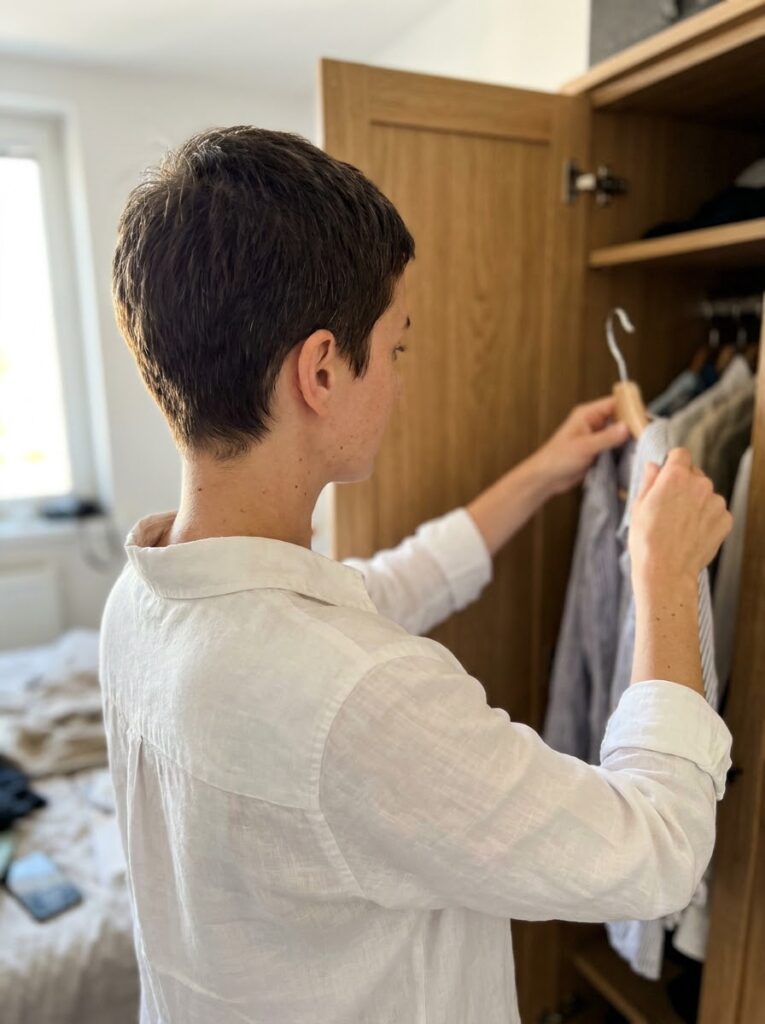
The micro pixie is the shortest cut here. Hair sits about an inch long over your whole head, so your ears and the back of your neck stay bare. You can skip the blow dryer, so mornings take a minute.
Best for: hair with some body, and women with a strong jaw or high cheekbones.
Styling: Rub a pea size drop of cream through damp hair with your fingers. Let it dry on its own.
Ask your stylist: “Can you take me to about an inch all over and keep the back soft?”
2. The Pompadour Pixie
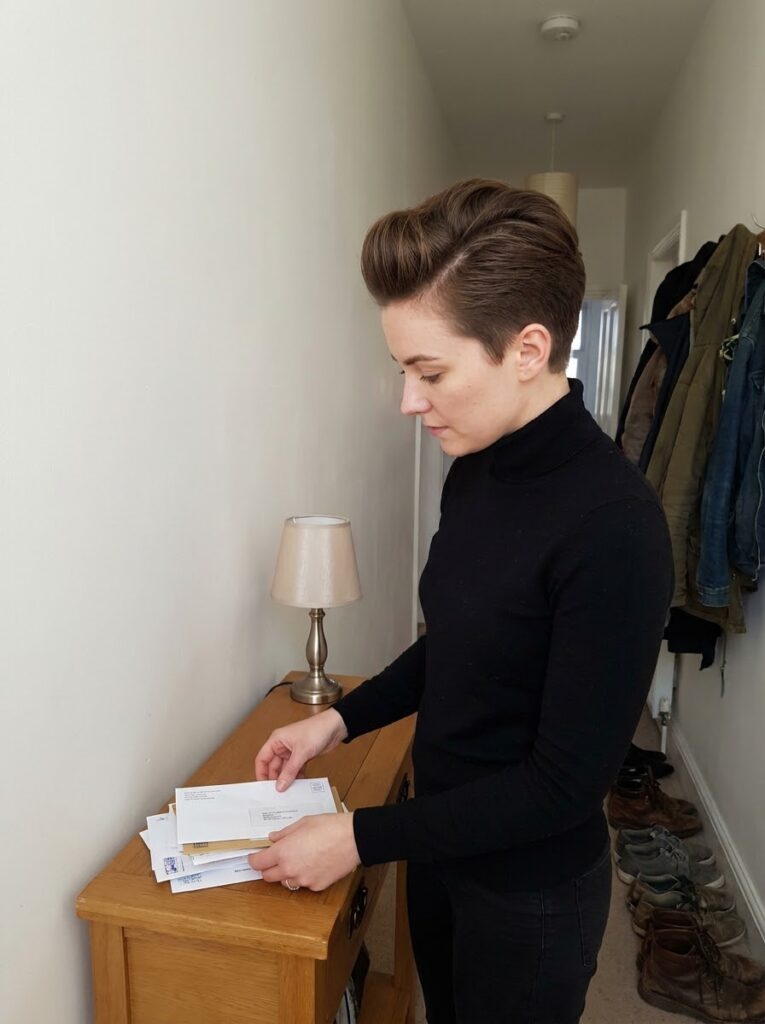
This cut keeps real length on top and takes the sides down close to your head. You brush that top section up and back, away from your forehead. The height makes a round face look longer. It costs you two minutes with a brush and a dryer.
Best for: round or heart shaped faces, and hair that holds a shape when you dry it.
Styling: Blow dry the top backward with a round brush, then press paste through it.
Ask your stylist: “I want more length on top so I can brush it up and back.”
3. The Faux Hawk Pixie
Photo: @kratkovlasky.cz
A faux hawk leaves a strip of length running down the middle of your head. You push that strip up into a ridge while the hair over your ears stays close.
Best for: anyone who likes a cut with an edge and doesn’t mind clipper trims.
Styling: Work paste through the middle strip and pinch it upward with your fingertips.
Ask your stylist: “Leave a strip of length down the middle and keep the sides close.”
4. The French Pixie
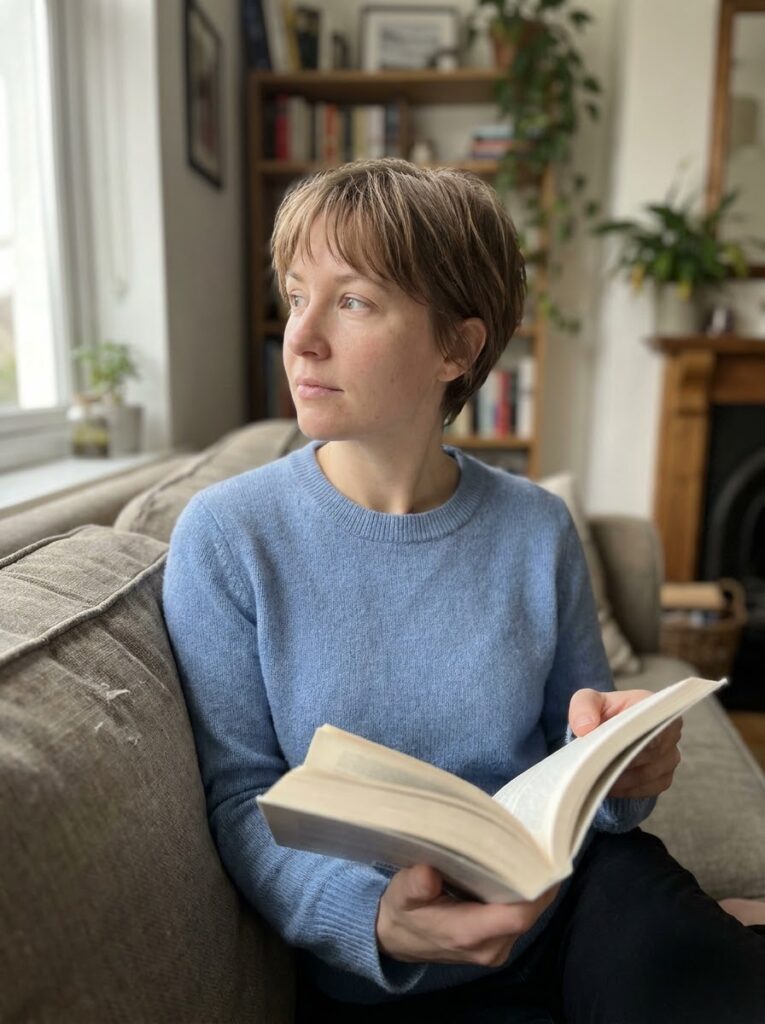
The French pixie is the quiet one in this list. Length stays a touch longer on top and around the ears. Soft bangs fall onto your forehead and look lived in rather than styled. Nothing is shaved, so it grows out without a hard line to fix later. Many women pick it as their first pixie for that reason.
Best for: medium texture, and anyone nervous about a big change.
Styling: Dry it with your fingers and push the bangs forward at the end.
Ask your stylist: “I’d like a grown out shape with soft bangs on my forehead.”
5. The Elfin Pixie
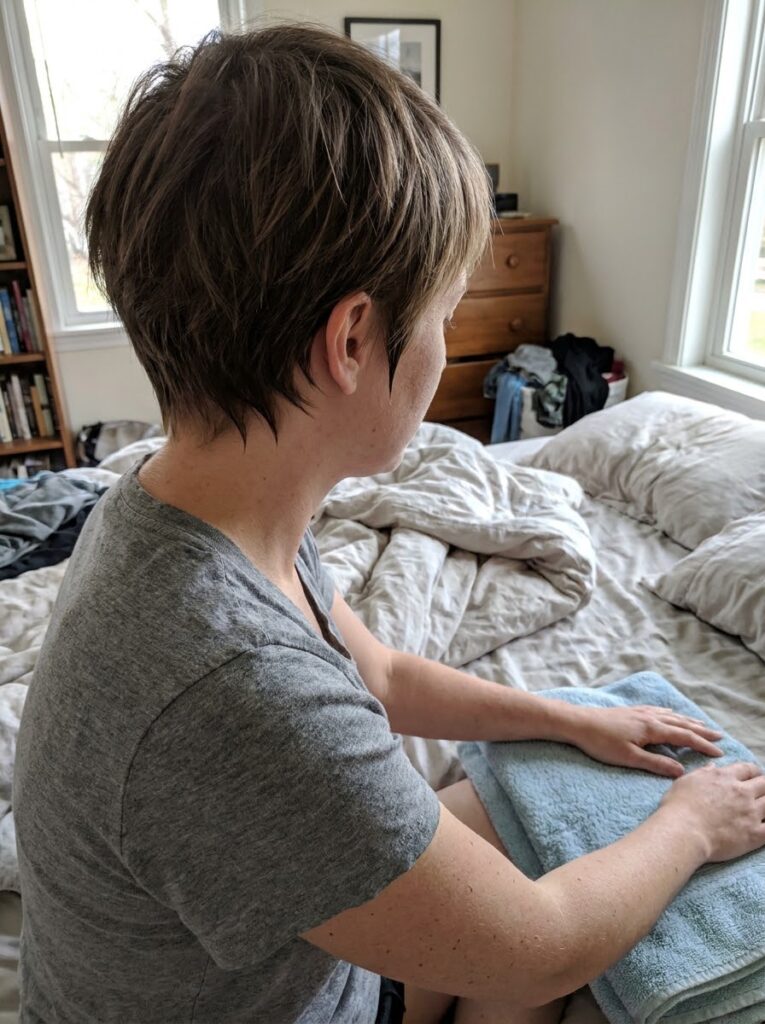
The ends of an elfin pixie finish in narrow points. Those points sit against your skin at the ears and the back of your neck. The rest of the cut sits near your head, so the edges are what people notice.
Best for: wavy or smooth hair, and smaller faces.
Styling: Pinch the points with a drop of gel so they keep their shape all day.
Ask your stylist: “Point cut the ends at my ears and neck so they finish in narrow pieces.”
6. The Razor Cut Pixie
Photo: @hair_ritualist
Here your stylist uses a blade instead of scissors. The blade takes weight out of the ends, so they break into separate pieces. The cut moves when you walk and never looks like one solid block. Hair on the thinner side can look emptier afterward, so talk it over first.
Best for: thick or coarse hair that needs weight taken out.
Styling: Scrunch a drop of cream through the ends and leave the roots alone.
Ask your stylist: “Use a razor on the ends, but check my hair is thick enough first.”
7. The Bowl Cut Pixie
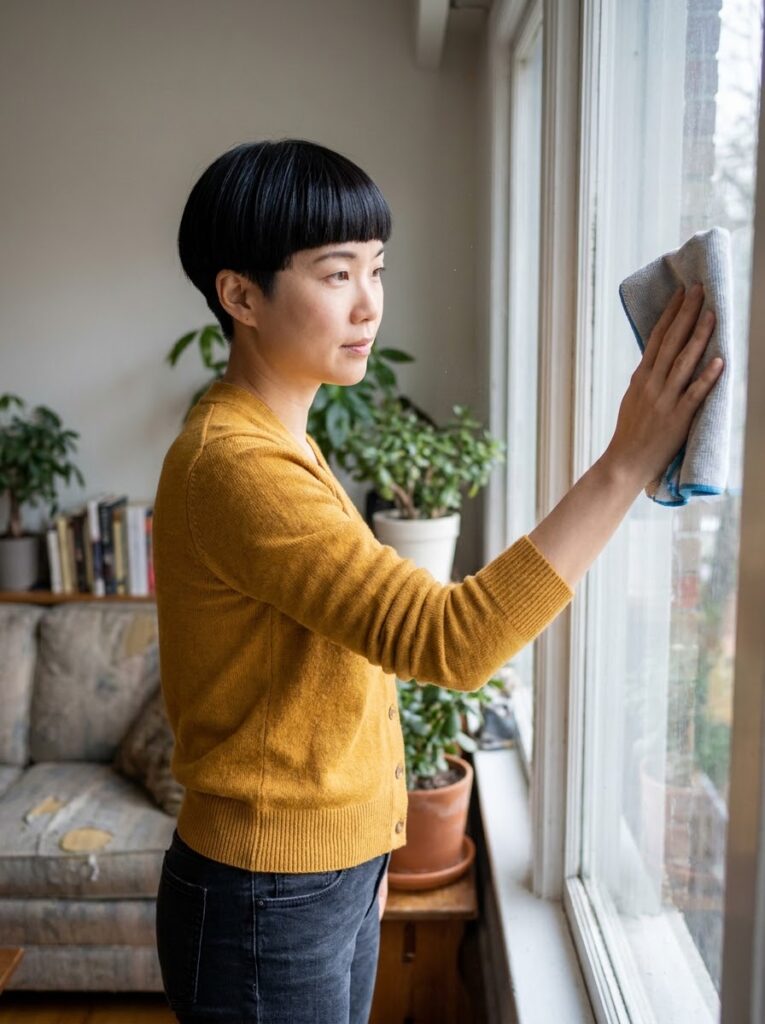
One round line runs all the way around your head, like a bowl turned upside down. Your bangs and the sides meet at the same level, which makes the shape look bold and even.
Best for: heavy hair that needs a clear shape, and oval or long faces.
Styling: Blow dry the bangs down with a brush so the line stays level.
Ask your stylist: “Keep one round line around my head so the bangs and sides match.”
8. The Disconnected Pixie
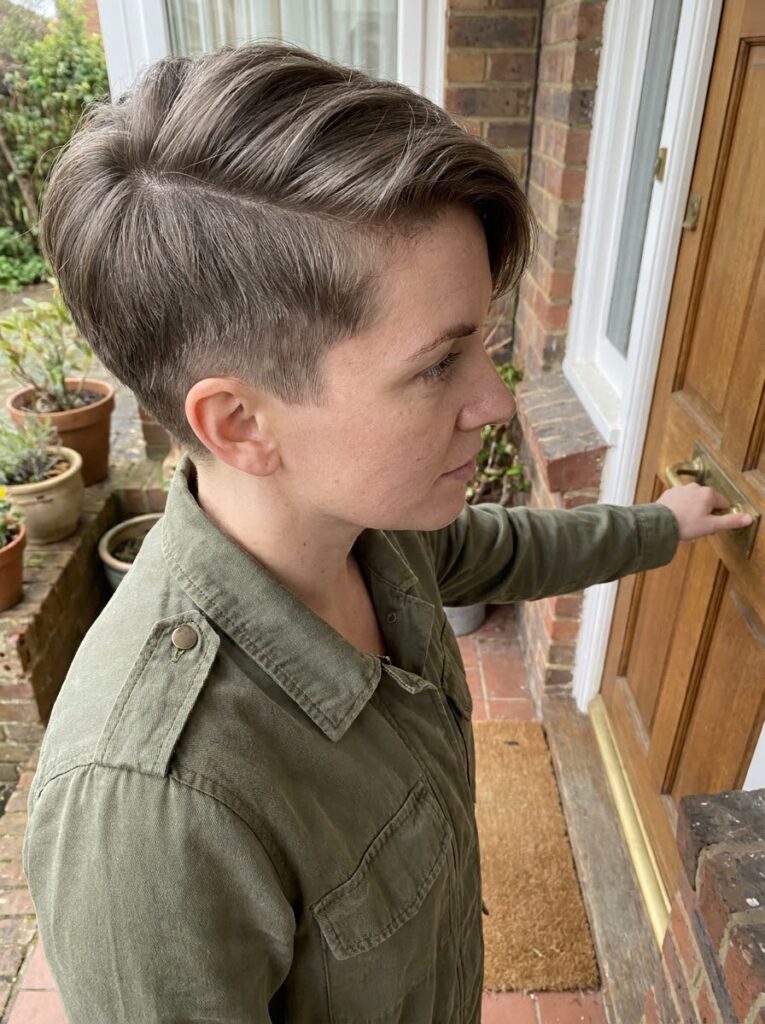
Disconnected means the top and the sides are never blended into each other. You get a step where the long hair stops and the cropped hair starts. That step shows even on days when you do nothing to your hair.
Best for: hair that holds a part, and women who want a strong shape.
Styling: Comb the top over to one side and press the sides down with your palm.
Ask your stylist: “Don’t blend the top into the sides, I want to see the step.”
9. The Feathered Pixie
Photo: @gemmagraciehairartistry
Feathering means the layers are cut so the ends taper and come apart. Instead of one thick block, your hair falls into light sections. Nothing looks heavy or sharp. The layers also lift the roots, which helps hair that goes flat by noon. Most mornings you can push it into place with your fingers and walk out.
Best for: fine to medium hair that needs fullness.
Styling: Spray mousse at the roots and dry it with your head tipped forward.
Ask your stylist: “Add feathered layers through the top so my hair is not flat.”
10. The Pixie With a Shaved Part
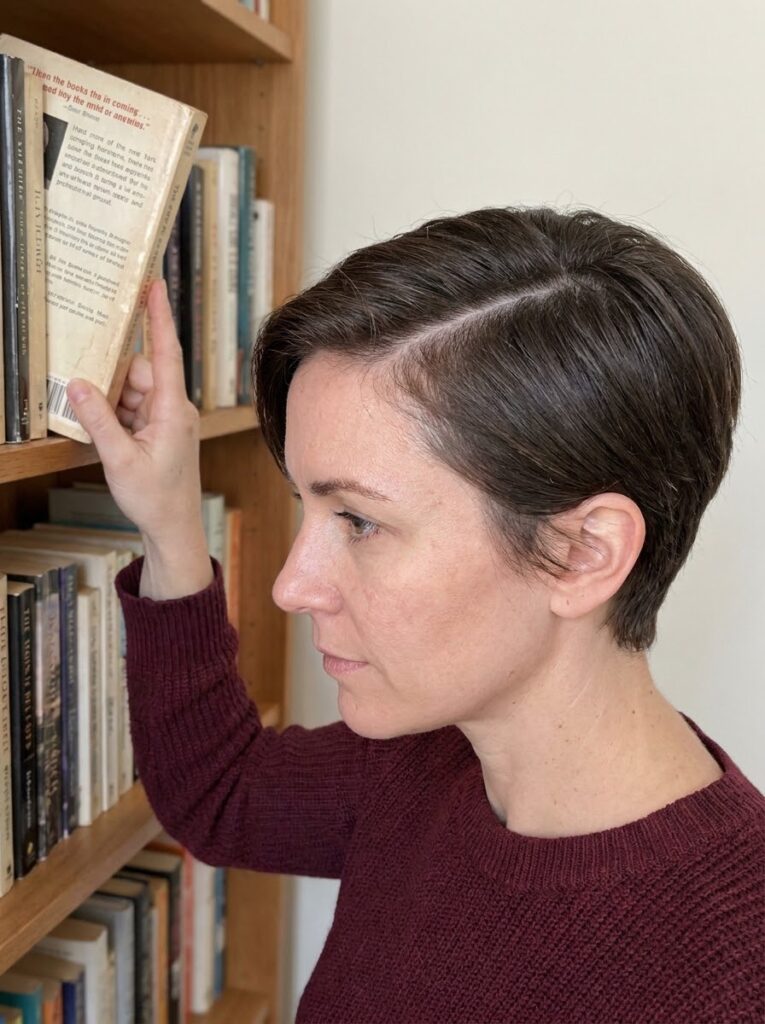
A thin line is shaved along your part with clippers. It shows when you sweep your hair to one side and disappears when you comb it forward.
Best for: dark hair, where the line shows up best.
Styling: Comb the hair away from the line so the shaved strip stays open.
Ask your stylist: “Shave a thin line along my part with the clippers.”
11. The Flipped Out Pixie
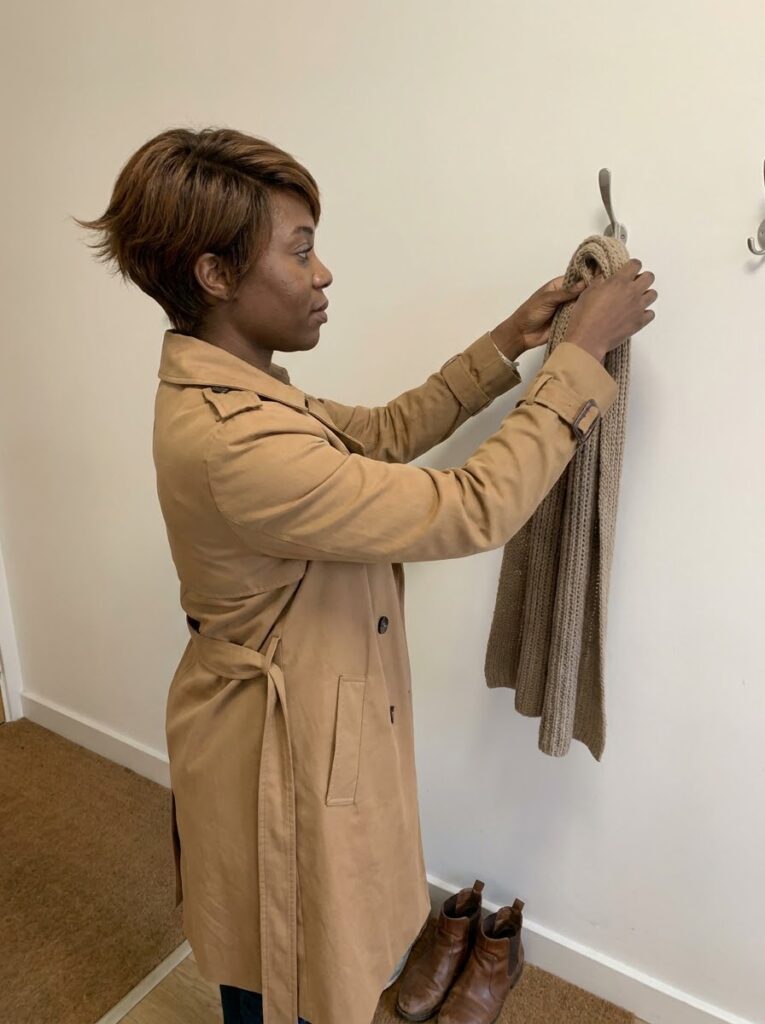
The ends are pushed away from your head instead of lying down. Pieces near your cheekbones flick up and out. That extra width balances a face that is long and narrow. You need enough length left at the sides, so say it before the cut starts.
Best for: women with a long face who want width at the sides.
Styling: Flick the ends out with a flat iron, then set them with hairspray.
Ask your stylist: “Leave enough length at my sides so the ends flick out.”
12. The Blunt Bangs Pixie
Photo: @thetrim__
This one puts a cropped cut together with bangs cut in one straight line. The bangs pull attention to your eyes and cover a tall forehead. Plan a trim every three or four weeks before they reach your lashes.
Best for: hair with little wave, and a high hairline.
Styling: Dry the bangs down with a small brush as soon as you wash your hair.
Ask your stylist: “Cut my bangs in one straight line just above my eyebrows.”
13. The Faded Pixie
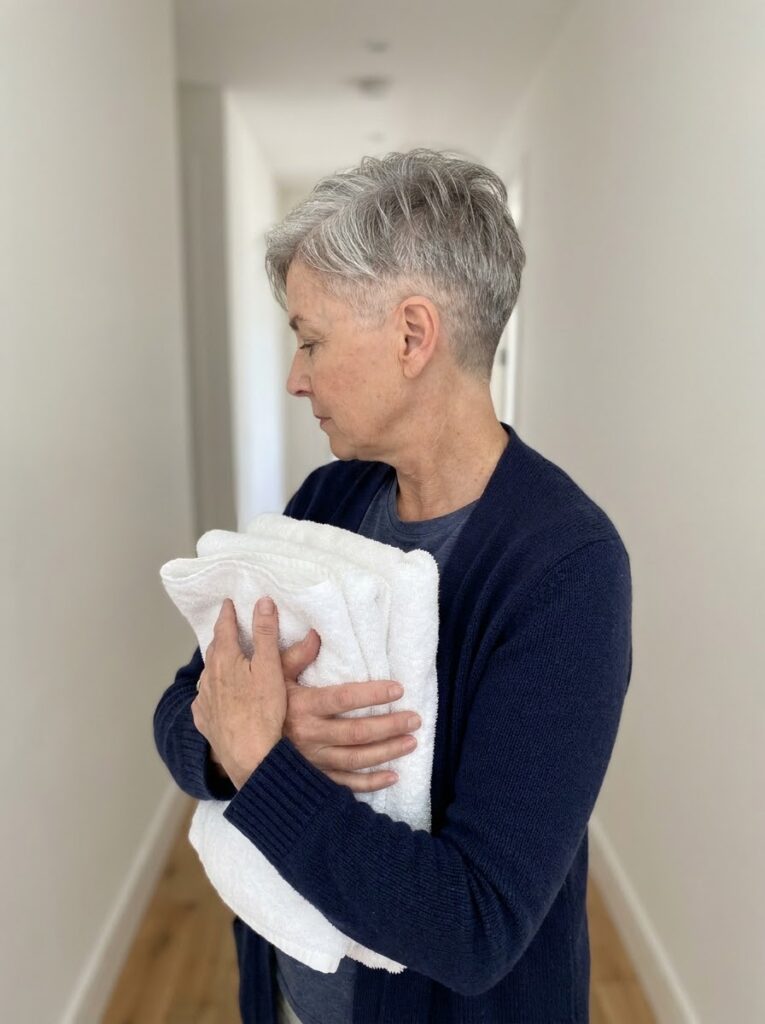
A fade takes the sides down very close with clippers. The length then builds back up as it moves toward the top of your head. You see no step and no hard line, just one slow change in length. Those sides grow out fast, so they need a clean up every few weeks.
Best for: curly or coarse hair that grows out wide at the sides.
Styling: Rub wax through the top and leave the faded sides as they are.
Ask your stylist: “Fade the sides with clippers so there is no hard line.”
How to Keep a Pixie Looking Good
- Book your trim before the shape grows out. Most pixies hold for about six weeks.
- Use a pea size amount of product. Cropped hair shows grease fast.
- Dry your roots first with your fingers. That is where the fullness comes from.
- Sleep on a satin pillowcase if your hair bends in odd ways overnight.
- If you add color, do a patch test first and follow the product instructions.
Frequently Asked Questions
What are the different types of pixie cuts?
The main ones are the micro, pompadour, faux hawk, French, elfin, razor cut, bowl cut, disconnected, feathered, shaved part, flipped out, blunt bangs and faded pixie. They differ in two things, how much length sits on top and how the sides are cut. Once you know those two, the names make sense.
Which pixie cut is easiest to grow out?
The French pixie and the feathered pixie, because nothing is shaved or disconnected. The layers get longer together, so there is no hard line to repair. A trim around the ears every six weeks keeps it tidy while it grows.
Do pixie cuts work on fine hair?
Yes, and many women say their hair looks fuller cut this way. Feathered layers are a safe pick, while a razor can be too much on very fine hair. Ask your stylist to work with scissors if you are unsure.
Are pixie cuts a good choice after 50?
Yes. A pixie is quick to style and keeps hair off your face. Pixie Cuts for Women Over 50 has ideas made for gray and silver hair.
How often will I need a trim?
Most pixies need a cut every five to seven weeks. Clipper work, like a fade or a shaved part, grows out sooner than that. Ask about a quick neck and side trim in between visits.
Finding Your Pixie
Pick the two or three names you liked most and save the photos. Your stylist will tell you which shape suits your hair and your face. How to Choose a Haircut can help you work that out before you book.