How to Choose a Haircut: The Complete Guide for Women
Want a new haircut but don’t know where to start? You’re not alone. There are so many cuts out there. It’s hard to know which one fits you.
This women’s haircut guide goes one step at a time. You’ll learn how to choose a haircut that fits your face. We’ll look at face shape, hair type and length first. Then we’ll go over the main cut types. There’s help for women over 50 and 60, too. And you’ll learn what to say to your stylist.
Each part links to a full post with photo ideas. Read the parts you need, or read it all.
5 Questions to Ask Before You Pick a Cut
Ask yourself these five questions first. Your answers will point you to the right cut.
- What is my face shape? This tells you which shapes look best around your face.
- Is my hair fine, medium or thick? Is it straight, wavy or curly? Your hair type decides how a cut will fall.
- How much time do I spend on my hair each morning? Some cuts need a blow dry every day. Others dry well on their own.
- How often can I go back for a trim? Short cuts lose their shape fast. Longer cuts can wait more weeks between visits.
- Do I want a big change or a small one? If you’re not sure, start small. You can always go shorter next time.
Find Your Face Shape
Your face shape is the best place to start. It shows you which haircuts for your face shape will look right on you.
To check it, pull all your hair back with a headband or hair tie. Stand in front of a mirror in good light. Look at three spots: your forehead, your cheekbones and your jaw. Which one is the widest? Is your face longer than it is wide? Is your jaw rounded or more square?
Many faces are a mix of two shapes. That’s normal. Go with the one that sounds closest to you.
Oval
An oval face is slightly longer than it is wide. The forehead is a touch wider than the jaw, and the jaw is rounded. Almost any cut works on this shape, from a pixie to long layers. Be careful with very heavy bangs, since they can hide your eyes and cheekbones.
Round
A round face is about as wide as it is long. The cheeks are the widest part, and the jaw has a gentle curve. Cuts that add height on top or fall below the chin help your face look longer. Long layers, a lob and side parts are all good choices. Try to avoid round, chin length bobs that curve in toward your cheeks.
Square
A square face has a strong, wide jaw. The forehead, cheeks and jaw are close to the same width. Layers and waves near the jaw make the lines look gentler. Side swept bangs and side parts help too. Skip blunt cuts that stop right at the jaw, since they make it look wider.
Heart
A heart face is wider at the forehead and narrower at the chin. Cuts that add fullness near the chin balance it out. A lob, a jaw length bob or curtain bangs all suit this shape. Watch out for lots of height on top, which makes the forehead look wider.
Long
A long face is clearly longer than it is wide. The forehead, cheeks and jaw are often close in width. Cuts that add width at the sides help, like waves, a shoulder length cut or full bangs. Very long, flat hair with no layers can make your face look even longer.
Diamond
A diamond face has wide cheekbones with a narrower forehead and chin. Cuts that add fullness at the forehead and chin make it look even. Side swept bangs, a chin length bob or layers that start at the chin all fit this shape. Go light on height at the crown, which is the top back of your head.
If you want photos for each shape, see Bob Haircuts for Every Face Shape. It has cuts you can show your stylist.
Know Your Hair Type
Your face shape tells you what shape to aim for. Your hair type tells you if that shape will work in real life. The same cut can look very different on fine hair and thick hair.
To check, take one strand between your fingers. If you can barely feel it, your hair is fine. If it feels like a cotton thread, it’s medium. If it feels strong and coarse, it’s thick. Next, let your hair air dry with no product. It will show you if it’s straight, wavy or curly.
Many women have more than one texture. You might be wavy underneath and straighter on top. Tell your stylist about this, since it changes how they cut.
Fine or Thin Hair
Fine hair can look flat if the cut is wrong. Blunt ends, which are cut straight across, make the ends look thicker. Keep layers few and light. Too many layers can make the ends look see through. Shorter lengths, like a bob or a lob, often look fuller than long hair. For more ideas, see Haircuts for Thin Hair.
Thick Hair
Thick hair has lots of weight. Without the right cut, it can look wide and puffy. Ask your stylist to remove some weight so your hair moves better.
Internal layers are a good way to do this. They’re cut underneath, so you can’t see them on top. They take out bulk while the outside stays neat. You can also ask about thinning out bulk with thinning shears. These are scissors with small teeth. Ask your stylist not to take out too much, or the ends can go frizzy.
Wavy Hair
Wavy hair needs room to move. Layers help the waves form, so the weight doesn’t pull them flat. A cut that’s too blunt on heavy waves can turn into a triangle shape. That means flat on top and wide at the bottom. Medium length cuts with long layers often look best. A shag or a butterfly cut also shows off waves.
Curly and Coily Hair
Curly hair shrinks when it dries, sometimes a lot. Coily hair has very tight, small curls and shrinks even more. That’s why many curl stylists cut hair dry, one curl at a time. This lets them see where each curl sits.
Rounded shapes with layers help curls look full all around, not flat on top. If you can, find a stylist who cuts curls often. Ask to see photos of their work before you book.
Photo: @salonspacect
Straight Hair
Straight hair shows every line of a cut. That’s why blunt, sharp cuts look so clean on it. A one length bob or a blunt lob looks great on straight hair. The downside is that mistakes show too. Ask for clean, even ends, and keep up with trims so the line stays sharp.
Short, Medium or Long?
Length changes how much time you spend on your hair. It also changes how often you need a trim. Think about your mornings before you choose.
Short Haircuts
Short cuts are quick to wash and dry. They feel fresh and light, and they show off your face and neck. The downside is upkeep. Most short cuts need a trim every 4 to 6 weeks to hold their shape. Some also need some product each morning to sit right.
If you’re thinking about going short, see Pixie Cuts for Every Hair Type. For women over 50, there are more ideas in Short Haircuts for Women Over 50.
Medium Haircuts
Medium hair sits between your chin and a few inches below your shoulders. It’s the easiest middle ground. It’s long enough to tie back and short enough to dry fast. It also suits most face shapes and hair types.
Layers do a lot at this length. Look at Butterfly Haircut for Medium Length Hair for a layered style with lots of movement. A long bob is another good choice, and you’ll find ideas in Long Bob (Lob) Haircuts.
Long Haircuts
Long hair gives you the most styling choices. You can wear it down, in braids, in a bun or in a ponytail. But long hair is heavy. Without layers, it can hang flat and look the same from top to bottom.
Long layers take off weight and add movement. Long hair still needs regular trims, because split ends can travel up the strand. See Layered Haircuts for Long Hair for layer ideas.
The Main Haircut Types Explained
Your stylist will use these names. Knowing them helps you ask for what you want. Here are the types of haircuts for women you’ll hear about most.
Bob
A bob is a short cut that ends somewhere between your ears and your chin or jaw. It can be straight across, angled or layered. A bob suits straight and wavy hair best, and it helps fine hair look thicker. Upkeep is medium to high, with a trim every 6 to 8 weeks.
One well known type is the Italian bob. It’s a full, rounded bob that ends near the jaw and has a lot of movement. See Italian Bob Ideas for photos.
Lob (Long Bob)
A lob is a longer bob. It ends between your jaw and your collarbone. It’s a good choice if you want a change but aren’t ready for short hair. It suits almost every face shape and hair type. Upkeep is medium, with a trim about every 8 weeks.
Pixie
A pixie is a very short cut. The back and sides are short, and the top is longer. It shows off your eyes, cheekbones and neck. A pixie can look great on fine hair and on oval or heart faces. Upkeep is high, since it grows out of shape fast. Plan a trim every 4 to 6 weeks.
Layered Cut
A layered cut has pieces cut at different lengths. The shorter pieces sit on top of the longer ones. Layers add movement and take away weight. They suit medium and long hair, and most hair types. On fine hair, ask for fewer layers so the ends stay full. Upkeep is low to medium.
Photo: @hatunhairlondon
Butterfly Cut
A butterfly cut has short layers around your face and longer layers at the back. When you style it, the short layers look like a shorter cut. The back keeps your length. It suits medium to long hair that is medium or thick. You’ll need a round brush or a curling iron to get the look you see in photos.
Shag
A shag has lots of choppy layers, with more of them on top and around the face. It has a messy, lived in look. Shags look best on wavy and curly hair, since the layers help the texture show. Upkeep is medium, and it grows out fairly well. See Modern Shag Haircuts for ideas.
Bangs
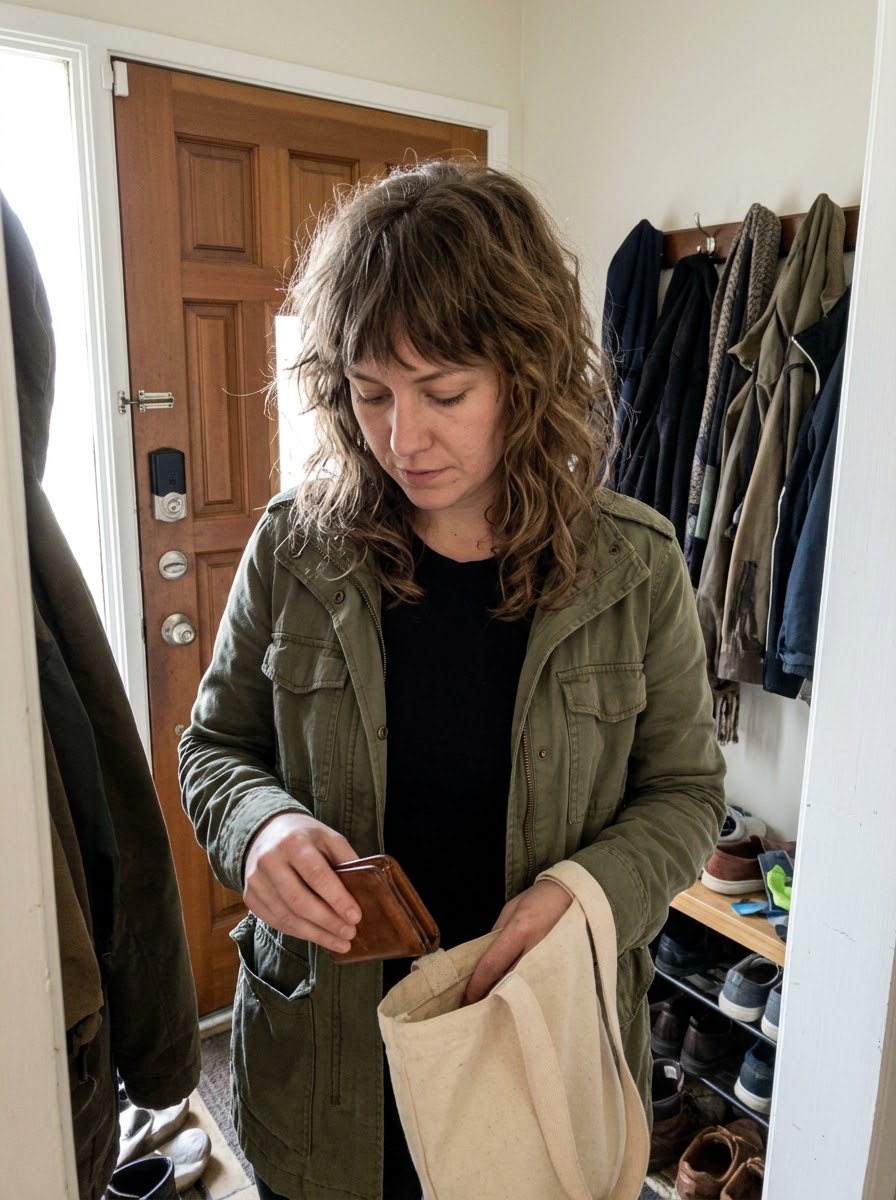
Bangs are hair cut to fall over your forehead. There are a few main kinds:
- Curtain bangs part in the middle and fall to each side, like open curtains.
- Full bangs are cut straight across and cover your whole forehead.
- Wispy bangs are thin and light, so some forehead shows through.
- Side swept bangs are longer and fall to one side.
Bangs need trims every 3 to 4 weeks to stay out of your eyes. Many salons offer quick bang trims between haircuts, so ask yours. Curtain bangs are the gentlest way to start. Learn more in Curtain Bangs and How to Style Them.
Blunt Cut
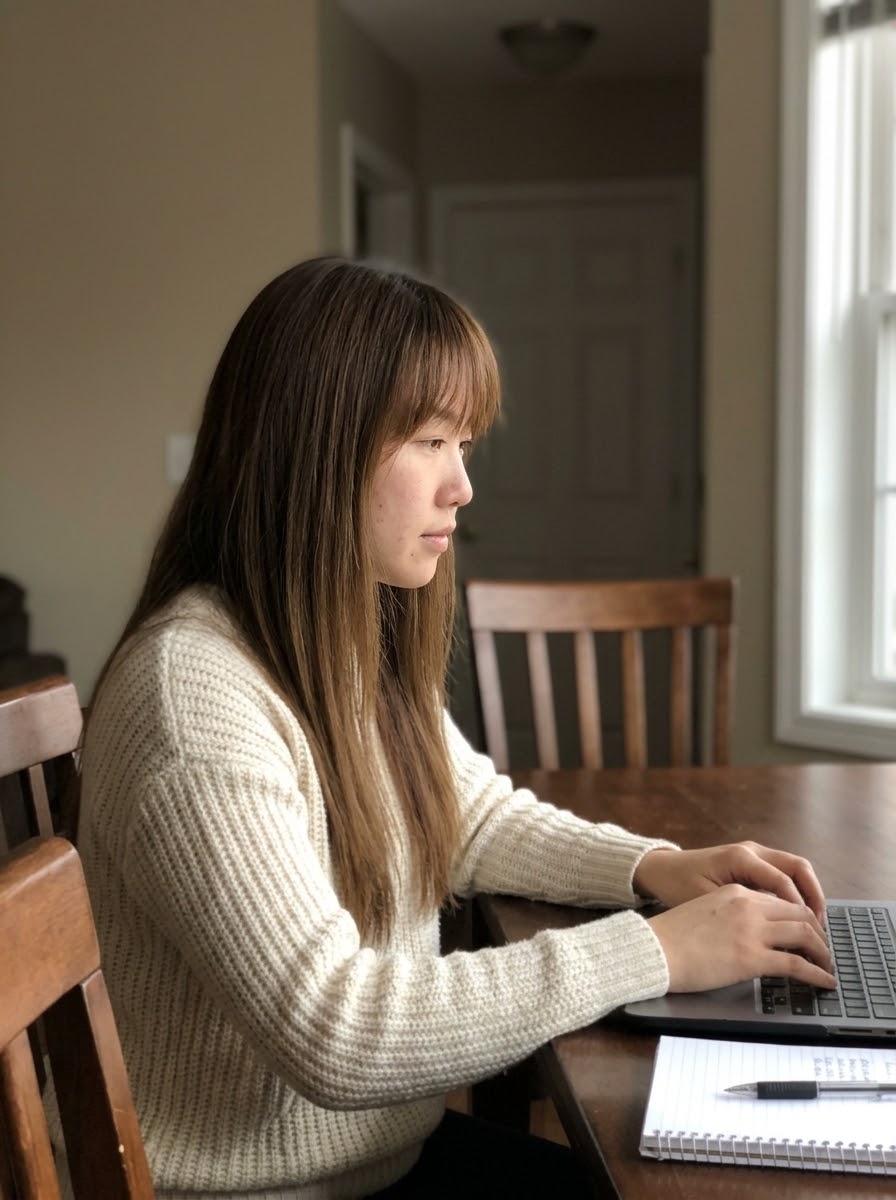
A blunt cut is cut straight across, with all the hair ending at one length. It has no layers or very few. This makes the ends look thick and full. It’s a strong choice for fine and straight hair. On thick or wavy hair, it can look heavy, so talk to your stylist first. Upkeep is medium, since the clean line needs trims to stay sharp.
Photo: @healthy_hair_chic
Haircuts for Women Over 50 and Over 60
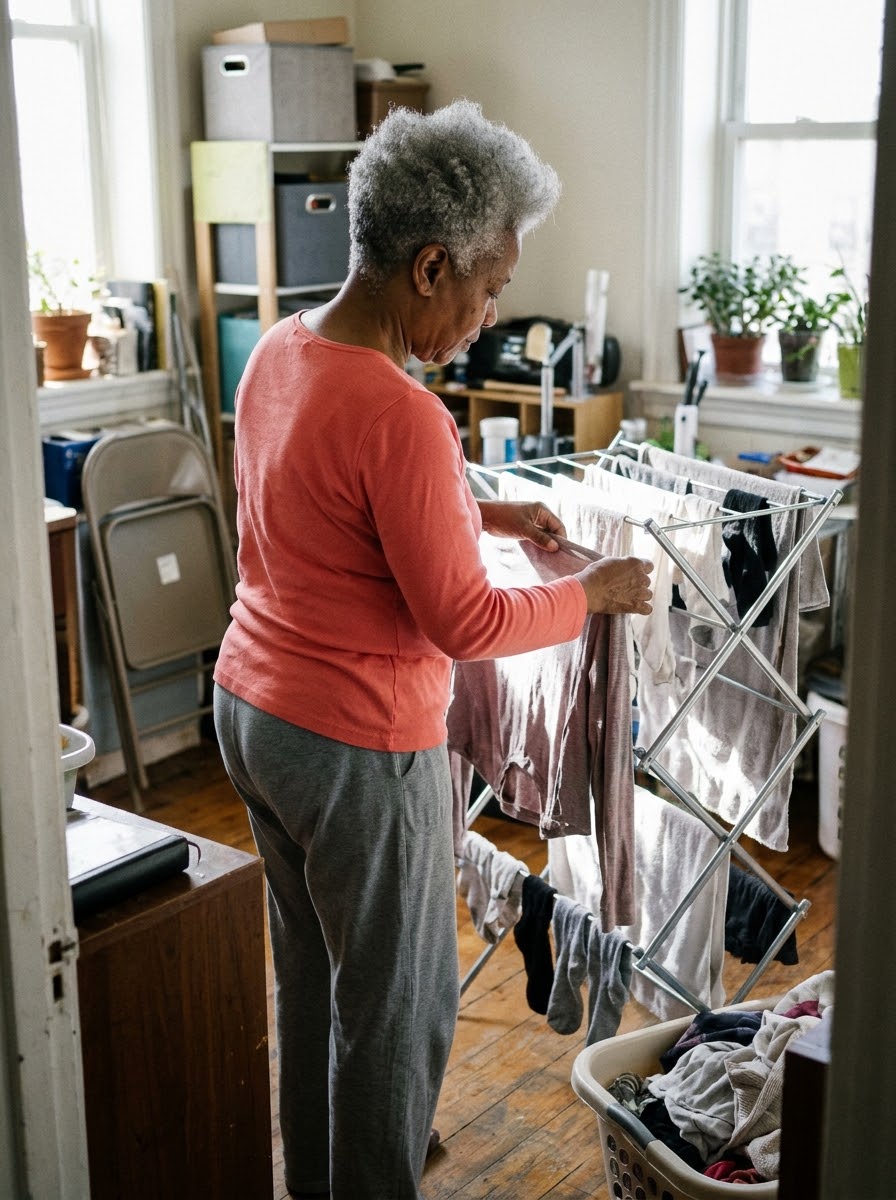
Hair often changes as we get older. For many women, it gets finer and drier. Gray hair can also feel coarser and harder to control. The right cut works with these changes instead of fighting them.
Here’s what tends to look good:
- Soft layers that add movement without taking away too much hair.
- Shorter lengths with fullness on top, which can make fine hair look thicker.
- Bangs that cover forehead lines, if you’d like that.
- Cuts that grow out well, so you don’t need a salon visit every few weeks.
There’s no age where you must cut your hair short. Long hair can look lovely at any age when the ends are healthy. If you’re thinking about going very short, see Pixie Cuts for Women Over 50 for ideas.
If you notice a lot of hair falling out or your scalp showing more, see a doctor or dermatologist. A haircut changes how hair looks, but it doesn’t fix the cause.
Should You Follow Trends?
Trends are fun to look at. But a popular cut won’t suit everyone. Before you copy a trend, check that it fits your face shape and hair type.
Look for photos of the trend on hair like yours. A wolf cut on curly hair looks very different from one on straight hair. You can see this year’s popular cuts in Haircut Trends 2027. Use them as a starting point, then change the details with your stylist.
How to Talk to Your Stylist
A lot of haircut regrets start here. You say one thing, and the stylist hears another. A few habits help a lot.
Bring 2 or 3 photos of cuts you like. Tell your stylist what you like about each one. Maybe it’s the length in one photo and the bangs in another. Photos of women with hair like yours help the most.
Show the length with your hand. Words like “a little shorter” mean different things to different people. Put your hand where you want the ends to land.
Be honest about your routine. Tell your stylist how much time you spend styling each day. Say how often you can come back for a trim. A cut that needs a daily blow dry won’t work if you air dry every morning.
If you’re growing your hair, ask for a dusting. This is a tiny trim that takes off only the split ends. You keep your length, and your ends stay healthy.
Words Your Stylist Might Use
- Blunt: cut straight across, with all the ends at one length.
- Layers: pieces cut at different lengths to add movement.
- Face framing: shorter pieces at the front that sit around your face.
- Texturize: cutting into the ends to make them lighter.
- Tapered: hair that gets shorter as it goes down, often at the neck.
- Point cut: cutting into the ends with the tips of the scissors, so the edge looks softer.
- Thinning: taking out bulk with special scissors or a razor.
How Often Should You Get a Trim?
It depends on your length and your cut. Use this as a rough guide, then go by how your hair feels.
| Length | How often to trim |
|---|---|
| Pixie and very short | Every 4 to 6 weeks |
| Bob and short cuts | Every 6 to 8 weeks |
| Medium | Every 8 to 10 weeks |
| Long | Every 10 to 12 weeks |
| Growing out | Small trims every 10 to 12 weeks |
If your ends feel dry, split or tangled, book a trim, even if it’s early.
Growing Out a Haircut Without Hating It
Growing out short hair takes time. These tips help you get through the in between stage:
- Get shape up trims. Your stylist can trim the back and sides so the top can catch up.
- Use clips and headbands on days when the sides won’t sit right.
- Try a deep side part. It changes how the hair falls and hides uneven pieces.
- Style the awkward stage on purpose. Waves or a half up style can make it look planned.
- Take a photo every month. It shows your progress when it feels slow.
Frequently Asked Questions
How do I know which haircut suits me?
Start with your face shape and hair type. Then think about how much time you spend on your hair each day. A cut that fits all three will usually suit you.
What haircut makes you look younger?
Layers around the face, light bangs and some fullness on top often look fresh. Very long, flat hair or a very harsh line can make a face look heavier. A cut that fits your face shape and that you can style yourself works best.
What is the easiest haircut to maintain?
A lob or a long layered cut is often the lowest effort. Both grow out well and don’t need trims as often as short cuts. If your hair is curly, a cut made for your curls is usually the lowest upkeep.
Can I get a short haircut with a round face?
Yes. Choose a short cut with height on top and some length near your cheeks. A pixie with longer front pieces or a bob that’s longer in front both look good. Try to skip very round shapes that end at your cheeks.
What is the difference between a bob and a lob?
A bob ends between your ears and your chin or jaw. A lob is a longer bob that ends between your jaw and your collarbone. A lob is a gentler change if you’re used to long hair.
How do I cut my hair without regretting it?
Make small changes first. Bring photos, show the length with your hand and talk about your routine. If you’re unsure, ask for less than you want, since you can always cut more next time.
Final Thoughts on How to Choose a Haircut
Choosing a new haircut feels less scary with a plan. Start with your face shape and hair type. Then save photos of cuts you like on hair like yours.
Talk to your stylist about your routine and how often you can come back. Small changes are fine. You don’t need a big chop to get a fresh look.