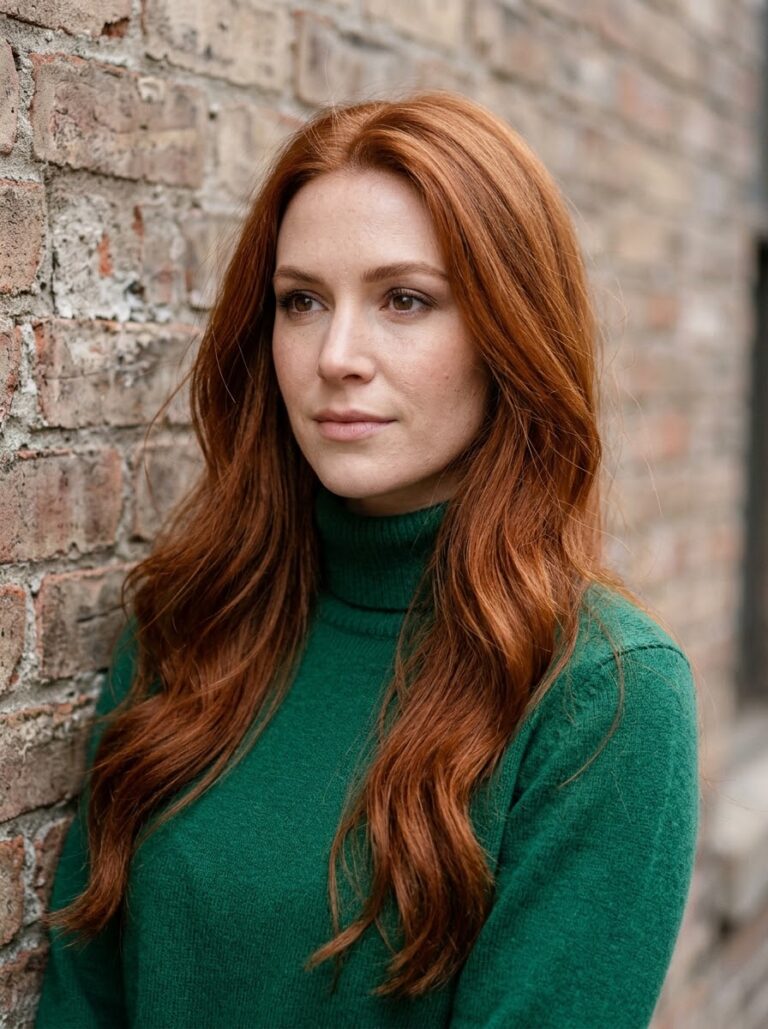
How to Choose a Hair Color for Your Skin Tone
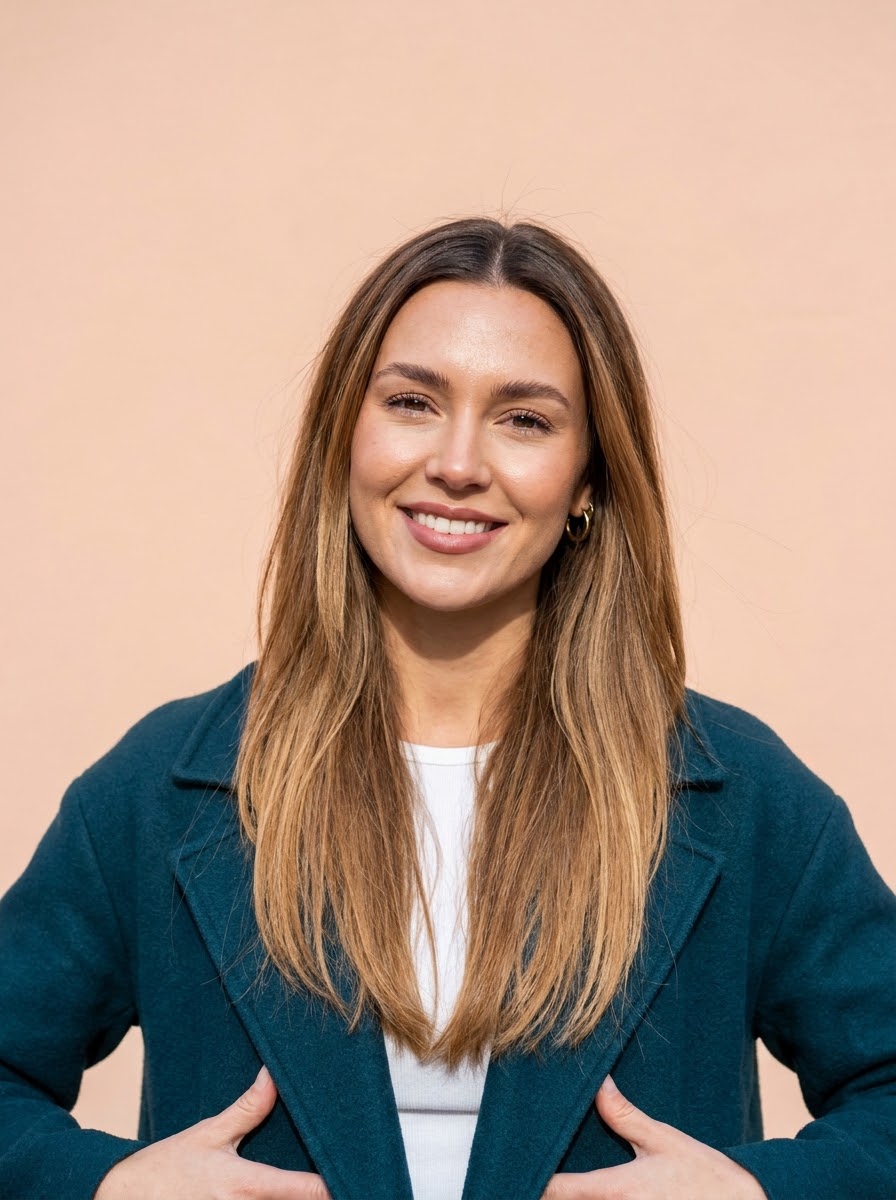
Want a new hair color but scared to get it wrong? You’re not alone. Picking a color is harder than picking a cut. The wrong shade can make your face look pale or tired. Matching hair color for skin tone takes a few quick checks.
Here’s the main thing to know. It’s not about how light or dark your skin is. It’s about your undertone. That’s the color that sits under your skin.
This guide goes one step at a time. First, you’ll find your undertone. Then you’ll see the shades that suit it. You’ll also learn how light to go and what to ask for. Each part links to a full post with photo ideas.
5 Questions to Ask Before You Color Your Hair
Before you book a salon visit, answer these five questions. They save time, money and tears.
- What is my skin undertone? Warm, cool or neutral. This decides which shades suit you.
- How far is the shade I want from my own color? A small step takes one visit. A big jump takes several.
- Does my hair need lightening first, and can it take it? Dry or broken hair may need a break before bleach.
- How often can I get to the salon for root touch ups? Some colors need a visit every 4 to 6 weeks.
- Do I want something I can grow out, or am I happy with a hard root line? This helps you choose between all over color and balayage.
Find Your Skin Undertone
Skin tone and undertone are two different things. Skin tone is how light or dark your skin is. Undertone is the color under the surface. It can be golden, pink or a mix of both.
When you pick a hair color for skin tone, your undertone decides the best shade. Two women with the same skin depth can suit very different hair colors. Try these four home tests in daylight.
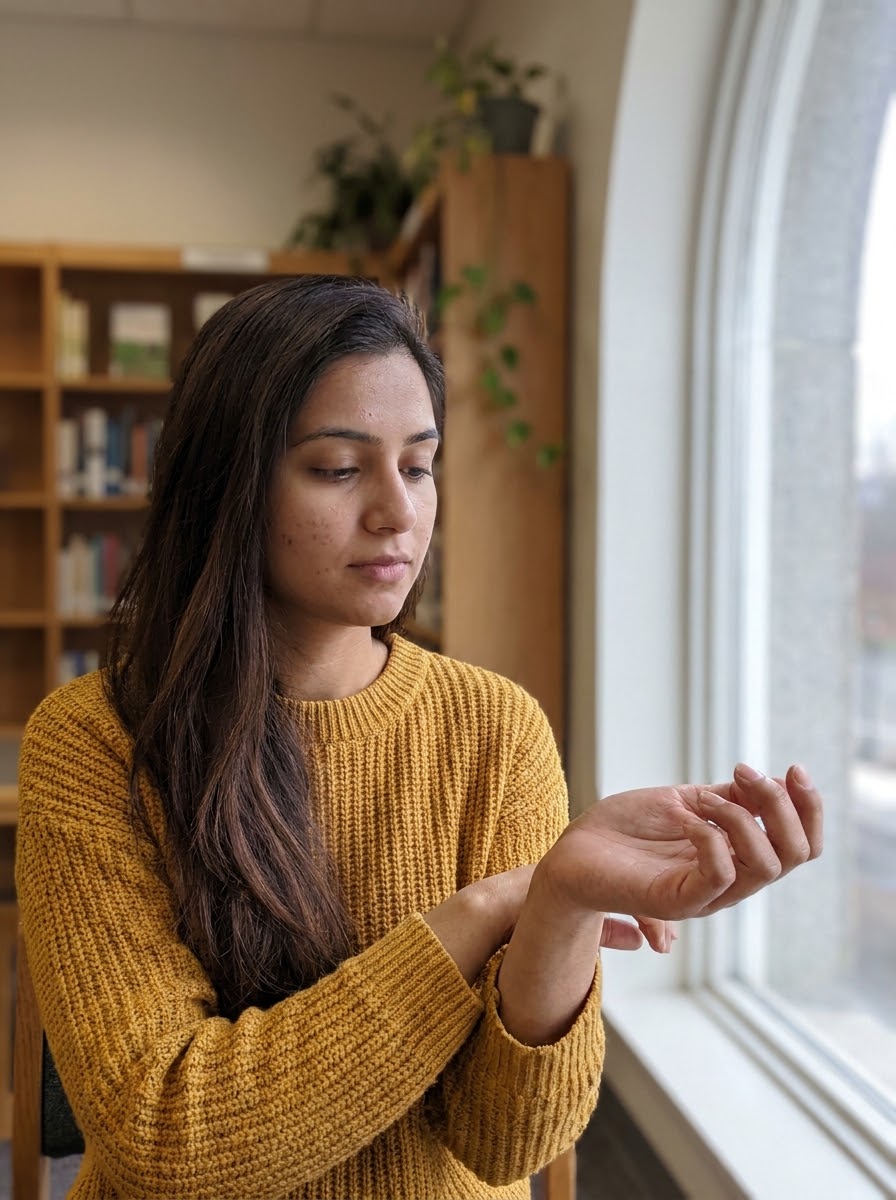
- The vein test. Look at the veins on the inside of your wrist. Green veins point to warm. Blue or purple veins point to cool. If you can’t tell, you may be neutral.
- The jewelry test. Hold gold jewelry next to your face, then silver. If gold looks better on you, you’re likely warm. If silver wins, you’re likely cool.
- The white shirt test. Hold a bright white shirt under your chin, then a cream one. Bright white suits cool skin. Cream suits warm skin.
- The sun test. Think about what your skin does in the sun. If you tan easily, that points to warm. If you burn first, that points to cool.
Try at least two tests. If they agree, you have your answer. If they don’t, look at your face in daylight with no makeup on. Notice if your cheeks look more golden or more pink.
Warm Undertones
Warm skin has a golden, peachy or yellow glow under it. Gold jewelry tends to suit you. You probably tan without much trouble. Warm hair shades like honey, copper and caramel tend to sit nicely next to this skin.
Cool Undertones
Cool skin has a pink, red or blue tint under it. Silver jewelry often looks best. You may burn before you tan. Ash, beige and blue black shades usually suit cool skin.
Neutral Undertones
Neutral skin is a mix of warm and cool. The tests may give you mixed answers, and that’s fine. It means most shades will work on you. You can choose by what you like and how much upkeep you want.
All three undertones show up at every skin depth. You can have very fair skin with warm undertones. You can have deep brown skin with cool undertones. Don’t skip the tests because of how light or dark your skin looks.
Hair Colors for Warm Skin Tones
If your skin has a golden glow, warm shades are your friends. The best hair color for warm skin tone has gold, honey, copper or red in it. These shades bring out the warmth in your face instead of fighting it.
Honey and Golden Blonde
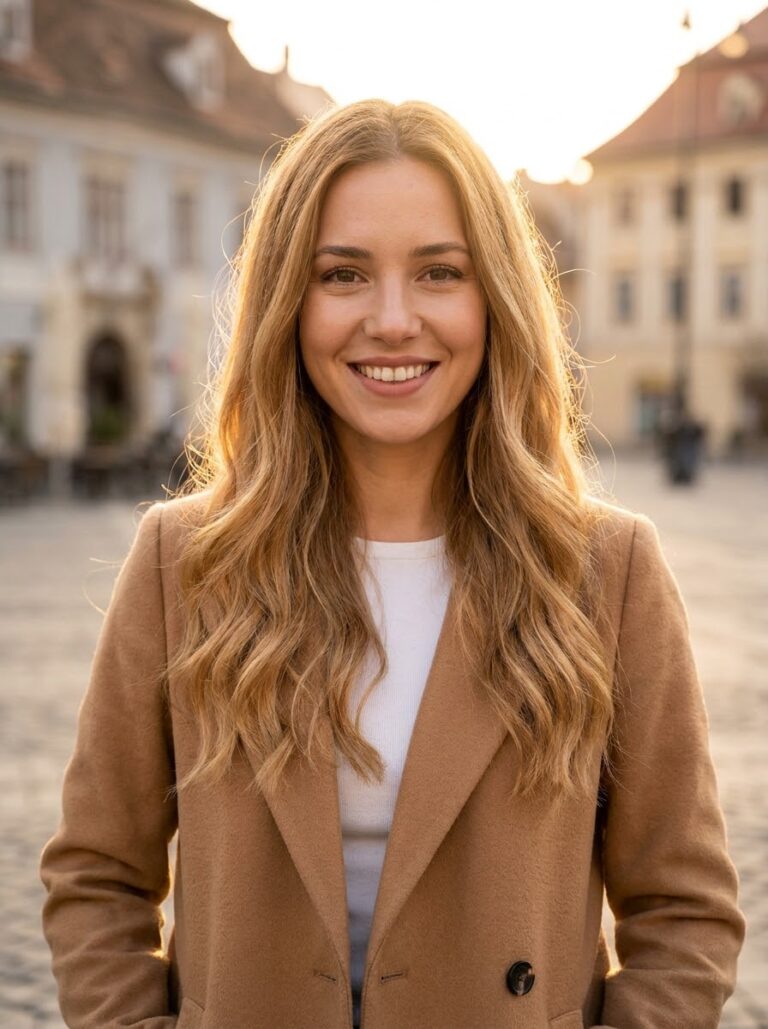
Honey blonde is a warm blonde with a golden yellow tint. It looks like real honey in the sun. It’s one of the easiest blondes for warm skin because it doesn’t turn grey or flat. For lots of photo ideas, see our Honey Blonde Hair Color Ideas post.
Caramel and Toffee Brown
Caramel and toffee are warm medium browns with a golden glow. They work well if you want to stay brown but add some warmth. You can wear them all over or as lighter pieces on darker hair. Our Caramel Highlights on Brown Hair post shows how the pieces look on different bases.
Copper and Ginger
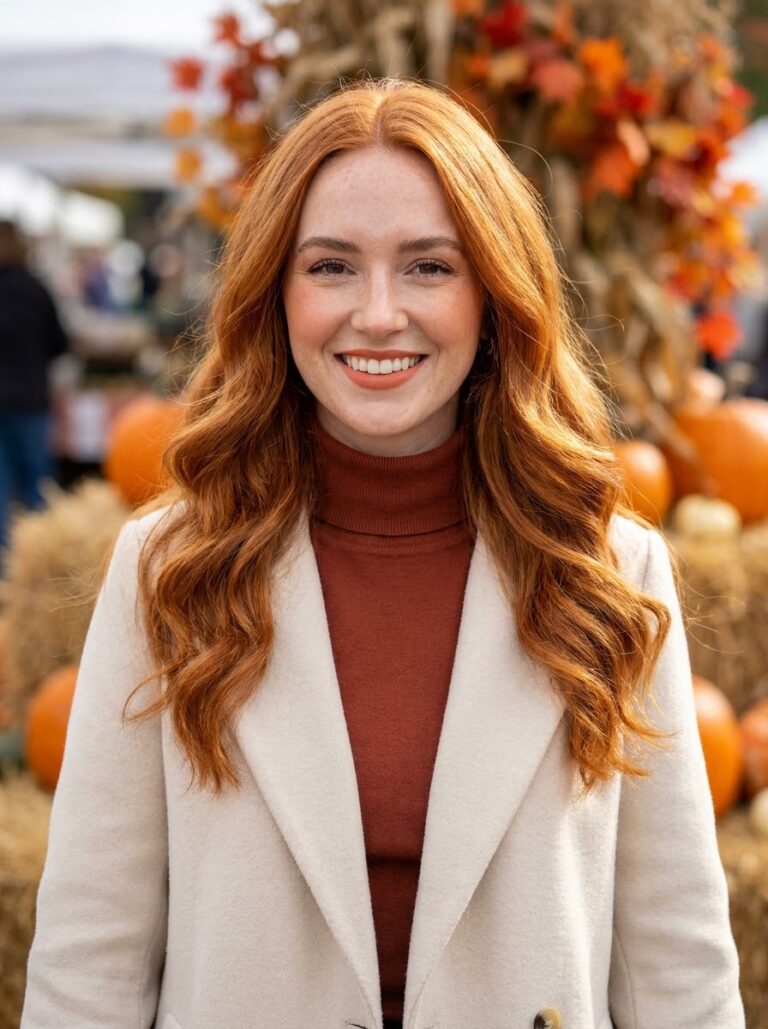
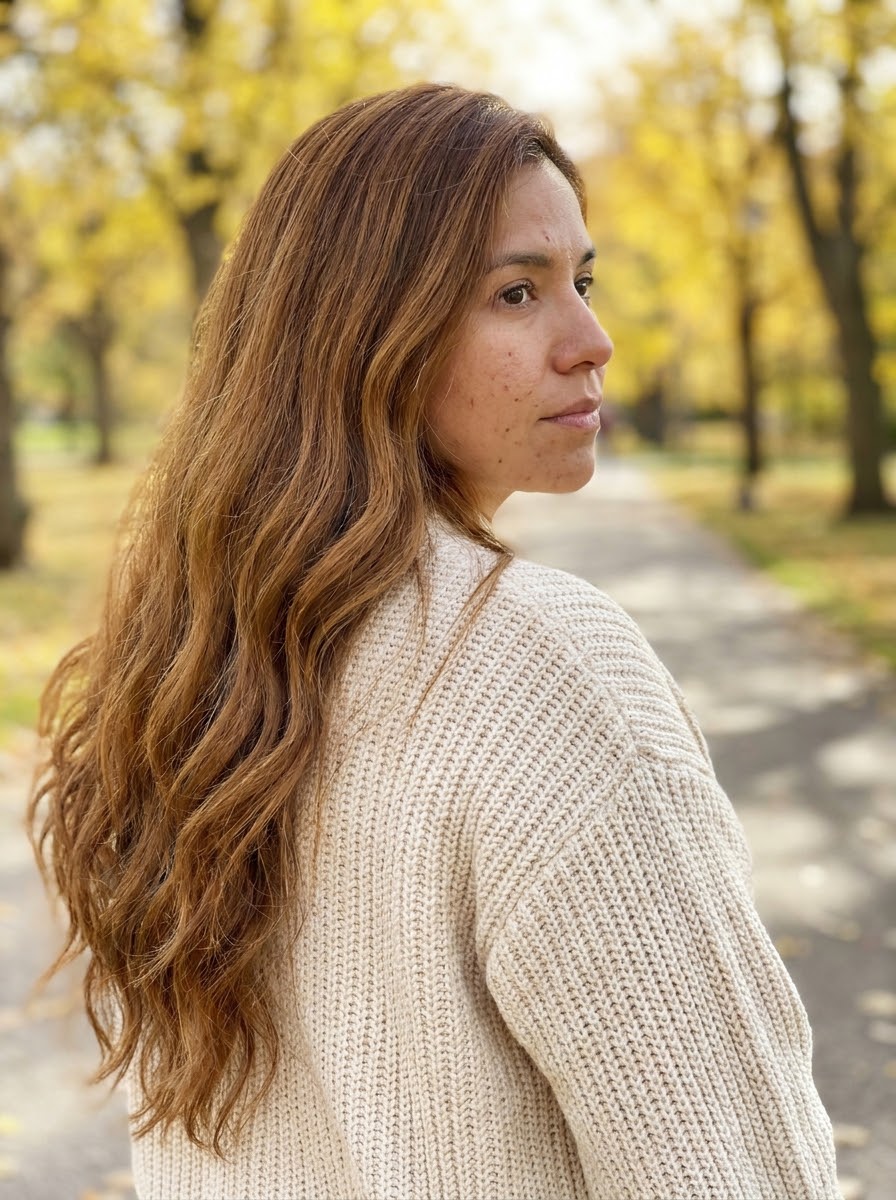
Copper is a bright orange red, like a new penny. Ginger is a little lighter and more orange. Both shades look lovely next to golden skin. They’re bold, so expect people to notice. Red shades also fade faster than most, so plan for a gloss between visits. Our Copper Hair Color Ideas post has light, medium and dark versions to compare.
Photo: @tinahurley.hair
Auburn and Red Brown
Auburn is a reddish brown. It’s clearly brown, but it has a warm red glow in the light. This is a nice middle step if copper feels like too much. It also works well on darker hair because it doesn’t need much lifting. Find shades from light to dark in our Auburn Hair Color Ideas post.
Strawberry Blonde
Strawberry blonde is a pale blonde with a pink red tint. It sits between golden blonde and light copper. It looks fresh on fair skin with warm or neutral undertones. See our Strawberry Blonde Hair Ideas post for versions with balayage and highlights.
What to Be Careful With
Very ash blonde and icy platinum can look grey or dull against warm skin. They pull the color out of your face. If you love a cooler blonde, ask your colorist to add a little warmth back in. A beige blonde is a good middle ground.
Hair Colors for Cool Skin Tones
Cool skin looks best with shades that have no orange or gold in them. The best hair color for cool skin tone is ash, beige, cool brown, blue black or silver. These shades calm down redness in the skin and look clean next to pink undertones.
Ash Blonde and Beige Blonde
Ash blonde is a blonde with a grey or silver tint and no yellow. Beige blonde is a little warmer, like sand. Both look fresh on fair skin with pink undertones. They do need toner to stay this way. Toner is a thin color that the salon puts on after lightening to cancel out yellow.
Ash Brown and Mushroom Brown
Ash brown is a cool brown with no red or gold. Mushroom brown is a lighter ash brown with a grey beige tint, like the top of a mushroom. These shades look modern and calm. They suit cool skin that turns red easily, because they don’t add more red.
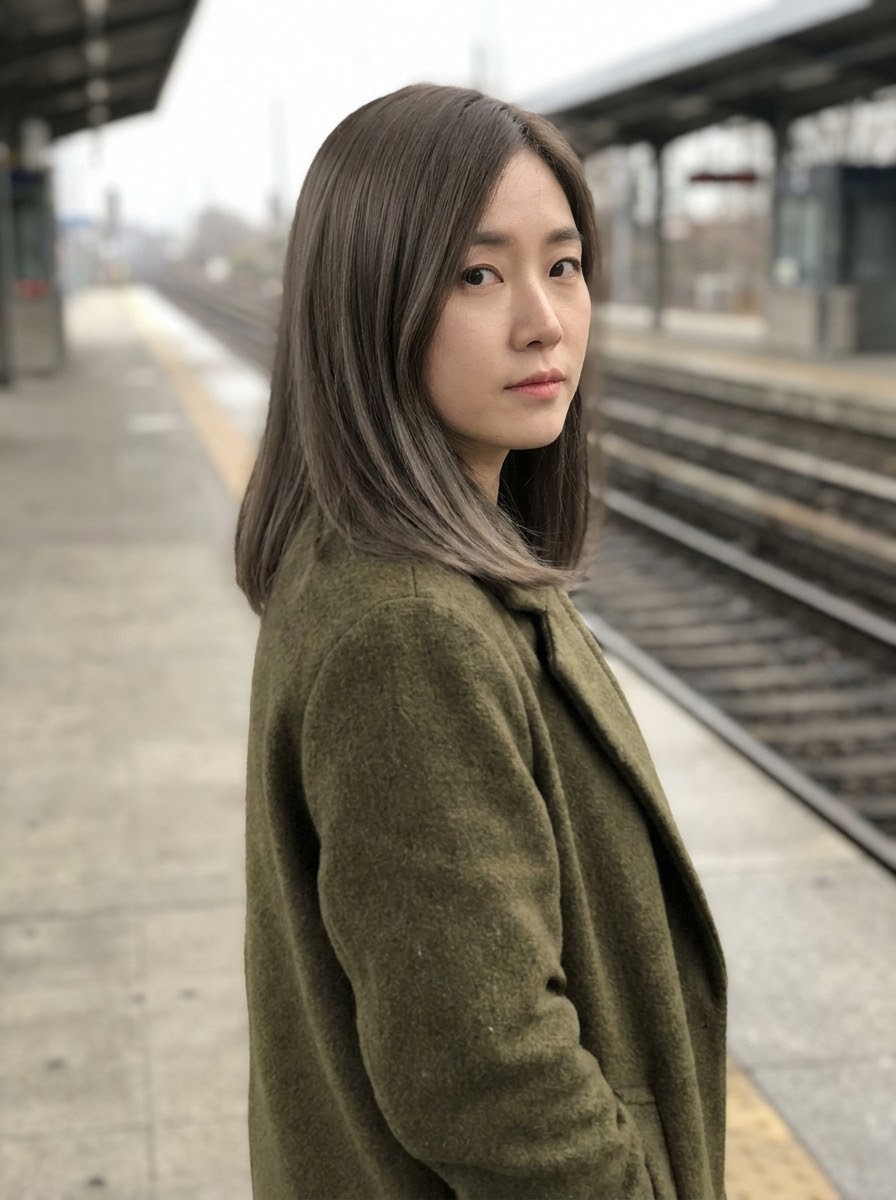
Espresso and Blue Black
Espresso is a very dark brown that is almost black. Blue black is black with a cool blue shine in the light. Both look strong and clear next to cool skin. They suit women with dark brows and eyes the most. Going this dark takes one visit, but going back to lighter takes time and bleach.
Burgundy and Plum
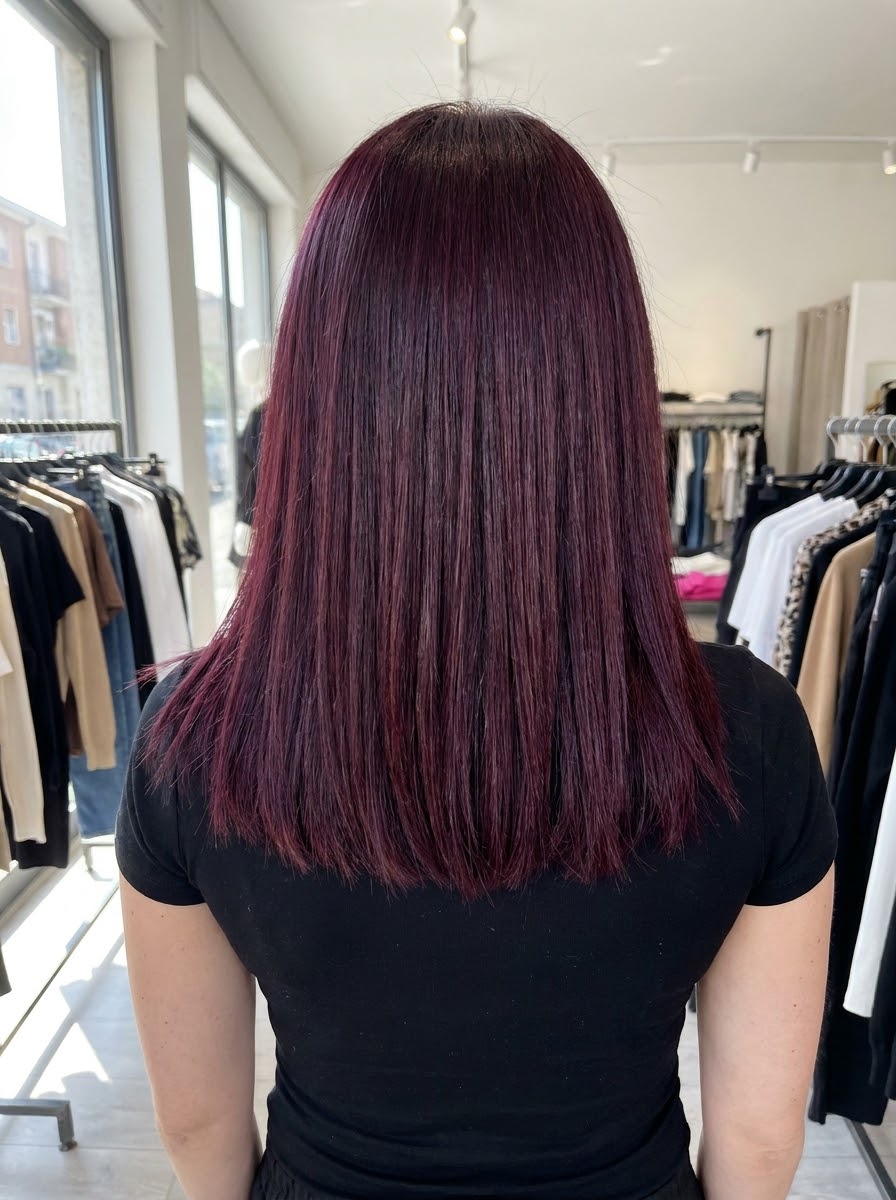
Burgundy is a dark wine red with a purple tint. Plum is darker and more purple. These are the cool skin version of red hair. They give you color without the orange that can make cool skin look flushed. They fade over time, so a color safe shampoo helps.
Silver and Icy Platinum
Silver is a grey white shade with no yellow in it. Icy platinum is the lightest blonde, almost white, with a cool tint. Both shades suit cool undertones on fair, medium and deep skin. They take the most care of any color. Most hair needs a lot of lightening to get here, so plan for more than one visit. If you have natural grays, blending them can get you close with less bleach. Our Gray Blending Highlights post shows how that looks.
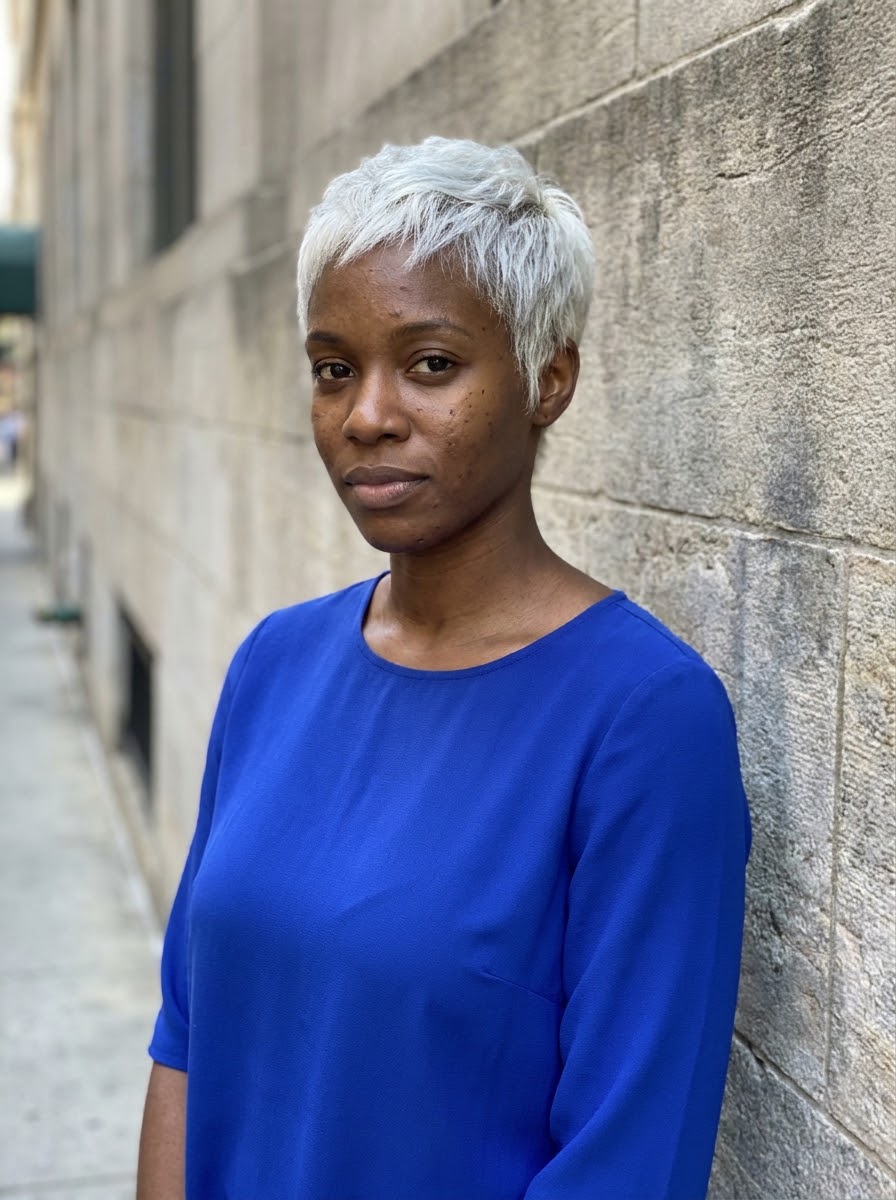
What Can Look Off on Cool Skin
Very golden, brassy or orange shades can make cool skin look red. Brassy means an unwanted yellow or orange tone. If you want a warmer look, try a neutral shade first. Beige blonde or a soft chocolate brown can add warmth without clashing.
Hair Colors for Neutral Skin Tones
Here’s the upside if your tests gave you mixed answers. Almost every shade will work on you. You can choose by what you like and how often you want to go back to the salon.
If you’re not sure where to start, chocolate brown is a safe first step. It’s a medium to dark brown that is neither too warm nor too cool. Our Chocolate Brown Hair post has shades from milk to dark chocolate.
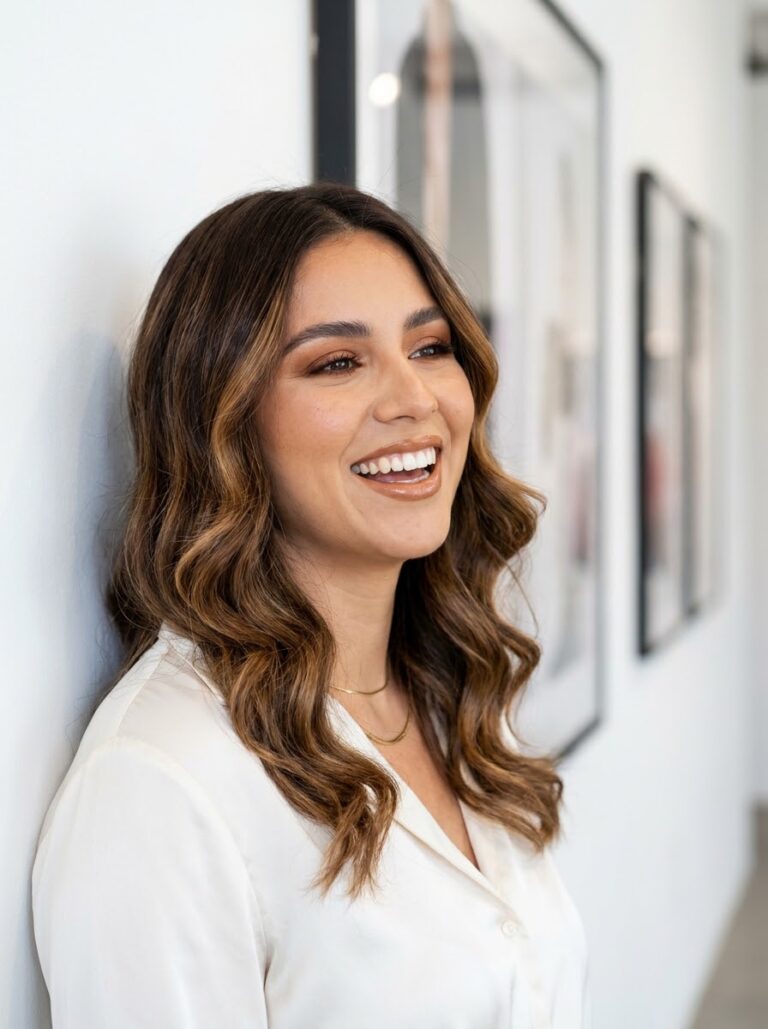
Bronde is another fine place to start. The name mixes brown and blonde. It’s a light brown that melts into darker blonde, so it never looks too harsh. Balayage works well here too. Balayage means the colorist paints lighter pieces by hand, so the color grows out without a hard line. For more looks, see our Balayage Ideas for Every Hair Color post.
Photo: @theory_studioforhair
In these photos, the brown stays darker near the roots. The blonde pieces get lighter toward the ends. That’s why bronde grows out so well. There’s no clear line where the color starts.
Your Eye Color Matters Too
Your undertone comes first. Eye color is a helpful second check. Some shades make your eyes stand out more because of the contrast between the two colors. Use this table as a starting point, not a rule.
| Eye color | Shades that make them stand out |
|---|---|
| Blue or grey eyes | Golden blonde, copper, chocolate brown |
| Green eyes | Auburn, copper, burgundy, warm brown |
| Hazel eyes | Caramel, honey blonde, red brown |
| Brown eyes | Caramel, bronde, golden brown |
| Dark brown eyes | Espresso, blue black, plum, chocolate brown |
If your undertone and your eyes point to different shades, go with your undertone. It has a bigger effect on how your skin looks next to your hair.
How Light or Dark Should You Go?
Colorists use a number scale called levels. Level 1 is black and level 10 is the lightest blonde. Most people have a natural level somewhere between 2 and 7. Ask your colorist what level you are. It helps you plan your change.
Here’s an easy rule to follow. Stay within two levels of your own color for your first change. It looks like your own hair, and it grows out gently. A root that is close to your color doesn’t stand out much.
Going more than two levels lighter means lightener, which is the salon word for bleach. It may take more than one visit, and you’ll need more upkeep. Going darker is faster and usually kinder to your hair. The catch is that dark color is hard to remove later.
If you want to try a darker shade, test it first. Ask your colorist about a color that washes out over a few weeks. You can live with it for a while before you commit. If you love it, you can make it last longer at your next visit.
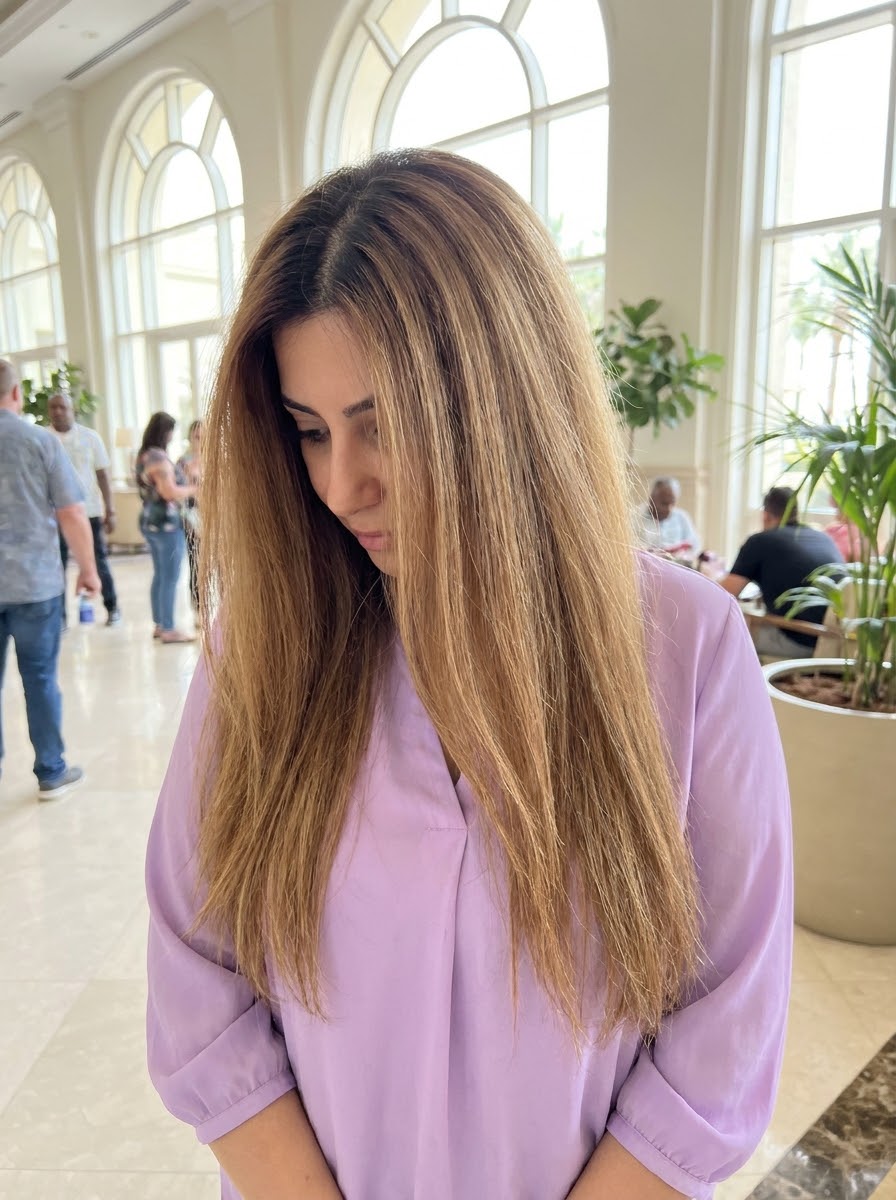
All Over Color, Highlights or Balayage?
The way your colorist puts the color on matters as much as the shade. Here are the main choices in plain words.
All Over Color
All over color means one shade from root to tip. It’s usually the cheapest option and the quickest to do. The downside is that you get the hardest root line. You’ll see regrowth in about 4 to 6 weeks.
Highlights and Babylights
Highlights are thin strands of lighter color mixed into your hair. Babylights are even thinner, like the light streaks children get from the sun. Both are done with foils. They brighten your hair without one big change.
Lowlights
Lowlights are the opposite of highlights. They add darker strands back into your hair. They give you depth and can make thin hair look fuller. They can also fix highlights that turned out too light.
Balayage and Foilyage
Balayage is hand painted color with no foils. The colorist paints lighter pieces where the sun would hit. Foilyage is the same idea, but the painted pieces are wrapped in foil to get a bit lighter. Both grow out with no hard line, so you need the fewest salon visits.
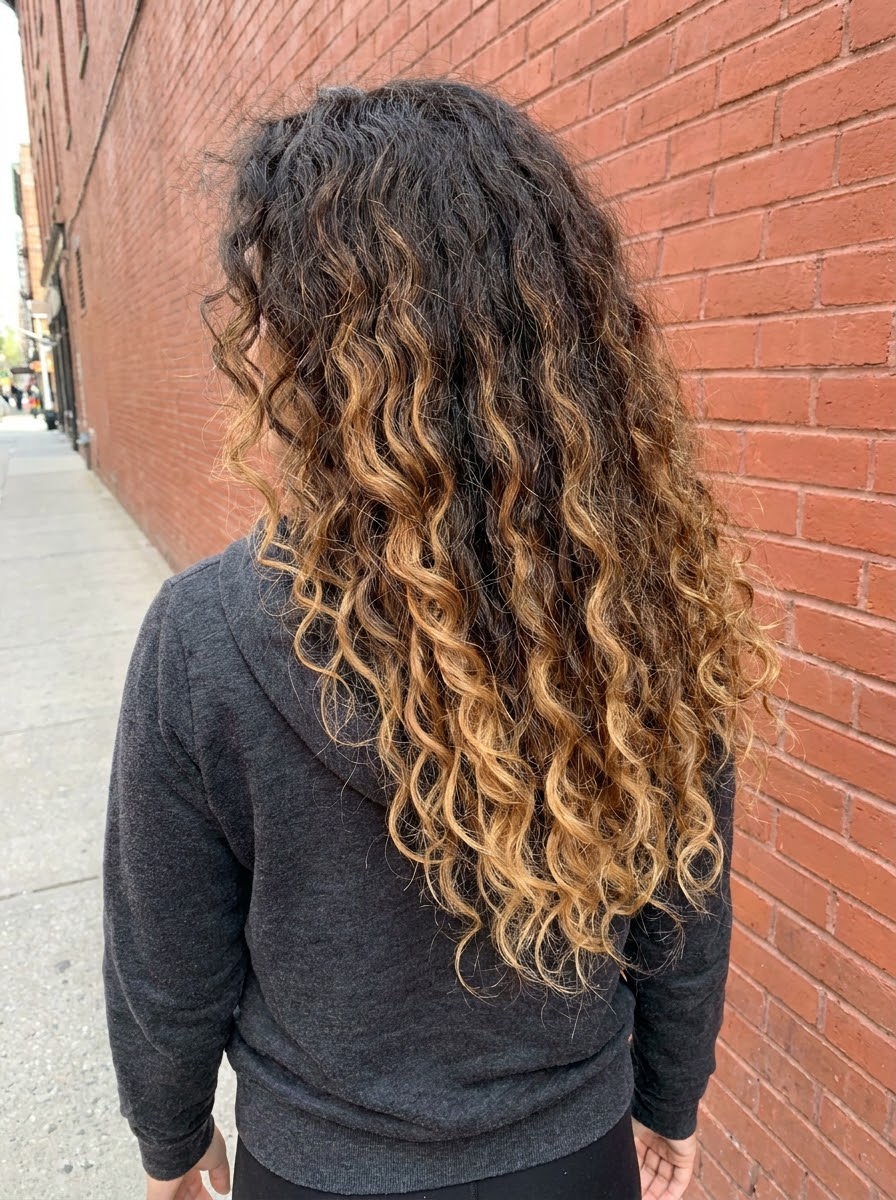
Face Framing and Money Piece
Face framing color puts the brightest pieces only around your face. A money piece is a bold lighter strip at the very front. This is the smallest change for the biggest difference. It’s a smart way to test a lighter shade before going all in. See our Face Framing Highlights post for ideas.
| Technique | How often you go back | Grow out line |
|---|---|---|
| All over color | Every 4 to 6 weeks | Hard, easy to see |
| Highlights and babylights | Every 6 to 10 weeks | Medium |
| Lowlights | Every 8 to 10 weeks | Mild |
| Balayage and foilyage | Every 3 to 4 months | Hardly any |
| Face framing and money piece | Every 6 to 8 weeks | Mild |
These times are a rough guide. Your hair growth and your shade change things.
Coloring Gray Hair
Gray hair takes color in its own way. It’s often thicker and rougher than the rest of your hair. That can make it harder for color to stick. Some grays also turn yellow over time.
You have three honest choices. You can cover your grays fully with all over color. You can blend them with lighter and darker pieces so the root line is softer. Or you can let them grow out and care for the silver with a purple shampoo.
Purple shampoo has a faint violet tint. It cancels out the yellow that can build up in silver and gray hair. Use it once a week or as the bottle says. Too much can leave a faint purple tint on very pale hair.
Photo: @meilings_chair
In these photos, the grays aren’t hidden. They’re mixed in with other shades, so the growth line is hard to spot. That’s the main reason blending needs fewer visits than full coverage.
Before you choose, ask for a strand test. The colorist puts the shade on a small hidden piece of hair first. You’ll see how your grays take it before you commit.
Does the Season Change Your Shade?
Many people go darker and warmer in autumn and winter. In summer, they often go lighter. That’s a fun way to keep your hair feeling new.
The undertone rule stays the same all year. Only the depth changes. If you’re warm, try a deeper caramel or auburn in winter. If you’re cool, try espresso or plum. For more cold weather ideas, see our Winter Hair Colors post.
How Much Damage Will It Do?
Going lighter is the hardest on your hair. Lightener opens up the outer layer of each strand to take color out. Going darker usually doesn’t need lightener, so it’s gentler.
Watch for these signs that your hair needs a break:
- Dry ends that feel like straw
- More tangles than before
- Short broken pieces on your brush or around your face
A few things can help. Space out your lightening visits. Ask the salon about a bond builder treatment, which is added during coloring to help protect the hair. Use less heat at home. Get your ends trimmed every 8 to 12 weeks.
If you color at home, read every step on the box first. Do a patch test on your skin before each use, as the instructions say. This checks that your skin doesn’t react to the dye. Bleach and dye can both cause a reaction, even if you used the same brand before.
Every head of hair is different. Ask your colorist to check your hair before any big change. If your hair is badly damaged, a careful colorist may say no for now. That means she’s looking out for your hair.
How to Keep Your Color From Fading
Color fades over time, but you can slow it down. These habits help any shade last longer.
- Rinse with cool water. Hot water opens the hair and lets color slip out.
- Use a color safe shampoo. Look for one made for dyed hair.
- Wash less often. Two or three times a week is plenty for most people.
- Use a heat protectant spray before you blow dry or use hot tools.
- Wear a hat in strong sun. Sunlight can dull color, especially reds.
- Book a gloss between visits. A gloss is a short shine treatment that refreshes your tone.
- Wet your hair with clean water before you swim in a pool. Dry hair soaks up more pool water.
How to Talk to Your Colorist
A clear chat at the start saves a lot of trouble later. Here’s what to bring and say.
Bring 2 to 3 photos taken in daylight. Salon lights and filters change how color looks. Tell your colorist what you like about each photo, like the shade, the placement or how the root looks.
Show what you do NOT want too. That’s often more useful than what you want. A photo of a color you’d hate is a fast way to explain yourself.
Be honest about your time and budget. Say how often you can come back and how much you spend on hair each month. Your colorist can then plan a shade you can keep up with.
Here are a few salon words and what they mean:
- Level: a number from 1 to 10 that shows how light or dark hair is
- Toner: a thin color put on after lightening to fix the tone
- Gloss: a shine treatment that adds or refreshes color
- Lowlights: darker strands added to your hair
- Babylights: very thin, light highlights
- Foilyage: hand painted color wrapped in foil
- Root smudge: a darker color blended at the root so regrowth looks gentle
- Developer: the liquid mixed with color or lightener to make it work
- Bond builder: a treatment that helps protect hair during coloring
If you’re making a big change, ask for a strand test first. It’s a small step that can stop a big mistake.
Before you leave the salon, look at your hair near a window. Salon lights can make color look warmer or cooler than it is. If the tone feels wrong after a few washes, call the salon soon and tell them kindly what you see. Most colorists would rather fix it than lose a client.
Frequently Asked Questions
How do I know if I have warm or cool undertones?
Do the vein test, the jewelry test and the white shirt test in daylight. Green veins, gold jewelry and cream shirts point to warm. Blue veins, silver jewelry and pure white point to cool.
What hair color suits every skin tone?
Neutral shades come closest. Chocolate brown, bronde and balayage in mid tones work on most people. They’re not too warm and not too cool.
Can I go blonde with dark skin?
Yes, you can. Match the blonde to your undertone. Warm undertones look lovely with honey or caramel blonde, and cool undertones can wear platinum or ash. Lightening dark hair takes time, so plan for more than one visit.
What hair color makes you look younger?
No color can change your age. Many people feel a shade or two lighter than their own color looks fresher on them. Very dark, flat color can look harsh next to the face, so lighter pieces around the face often help.
How do I pick a hair color if my skin is neutral?
Start with what you like and how much upkeep you want. Chocolate brown and bronde are easy places to begin. If you want something bolder, you can try warm or cool shades and see which you like best.
Should I match my hair color to my eyebrows?
Your hair doesn’t need to match your brows exactly. Most colorists suggest keeping them within a couple of shades of each other. If you go much lighter or darker, a brow tint can help them look like a pair.
Still asking, what is the best hair color for my skin tone? Go back to the undertone tests and start there.
Final Thoughts on Hair Color for Skin Tone
Knowing how to choose a hair color starts with your undertone. Find it first, then pick a shade that matches it. For your first change, stay within two levels of your own color.
Save a few photos you love, ask for a strand test and talk openly with your colorist. And remember, color always grows out. If you don’t love it, you can try something new next time.